

What Is Lymphedema?
Lymphedema is swelling that occurs when fluid builds up in the body due to changes or damage to the lymphatic system.
This can happen after surgery, radiation, injury, or infection, and is commonly seen following lymph node removal. Symptoms may include swelling or heaviness in the arms, legs or breasts, as well as limited range of motion, skin thickening and other skin changes.
In the U.S. alone, 2 to 3 million people are affected by secondary lymphedema and 1 to 2 million people are affected with primary lymphedema.
.jpg)
.jpg)
What Can Cause Lymphedema?
Lymphedema may develop as a result of:
Lymph node removal
Mastectomy or Lumpectomy
Radiation treatment
Certain Medical Conditions
Surgery, infection or trauma
How We
Treat Lymphedema
Treatment focuses on reducing swelling, improving movement, and helping you manage symptoms long-term.
We use a proven approach called Complete Decongestive Therapy (CDT), which includes:
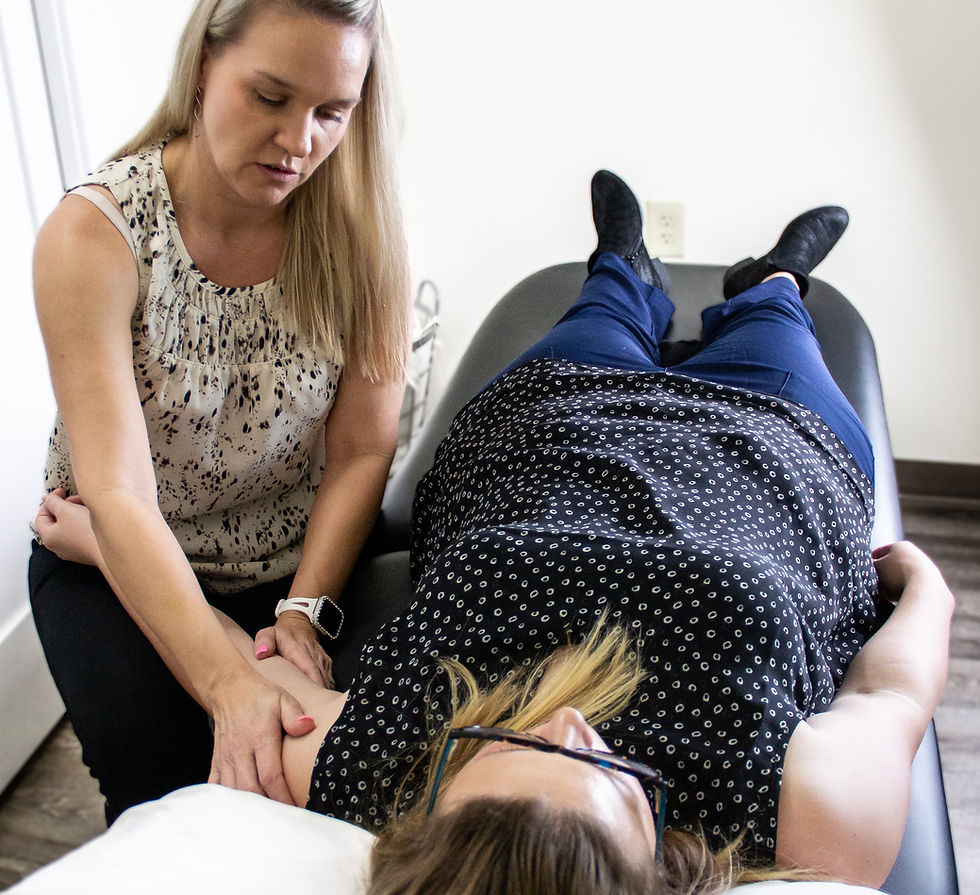
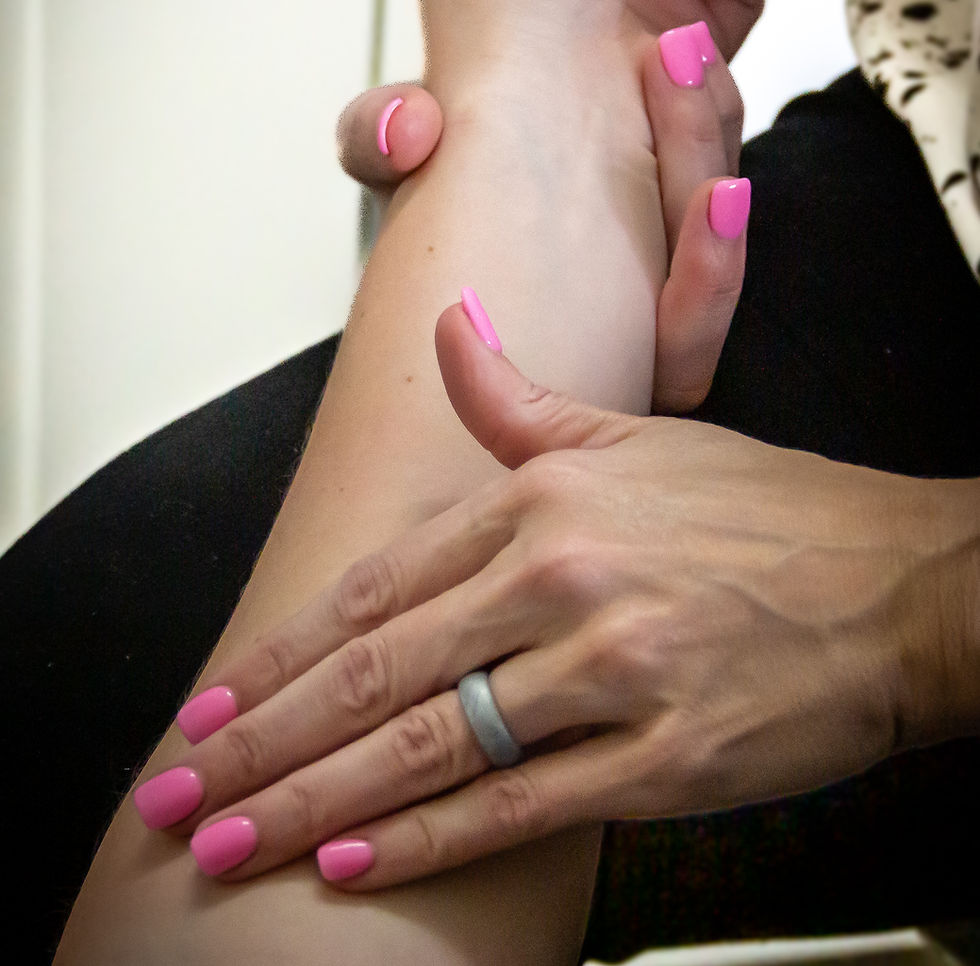
Manual lymph drainage (MLD) to move fluid out of affected areas
Compression bandaging or garments to maintain progress
Skin care to reduce risk of irritation or infection
Therapeutic exercises to support circulation and mobility
Your care is always one-on-one and tailored to your specific needs. Sessions are provided in a private treatment room to ensure patient comfort and privacy.

What Treatment Looks Like
Phase 1: Reducing Swelling
We focus on moving fluid out of the affected area using hands-on techniques and compression bandaging. This phase typically lasts a few weeks depending on severity.
Phase 2: Ongoing Management
You’ll transition into a long-term plan that includes compression garments, skin care, and exercises to help maintain results and manage symptoms independently. Therapists can assist with ordering compression pumps for long-term management as well.

What to Expect at Your First Visit
Your first visit includes a detailed evaluation with our Certified Lymphedema Therapist (CLT) to understand your symptoms and how lymphedema is affecting your body. Your therapist will review your history, assess your range of motion, and evaluate skin and tissue changes, and may take measurements to track swelling and monitor progress over time. From there, we create a personalized plan focused on reducing swelling and improving comfort.
